
How to Get Rid of Condensation Between Double Glazing

September 24, 2026

Share this article

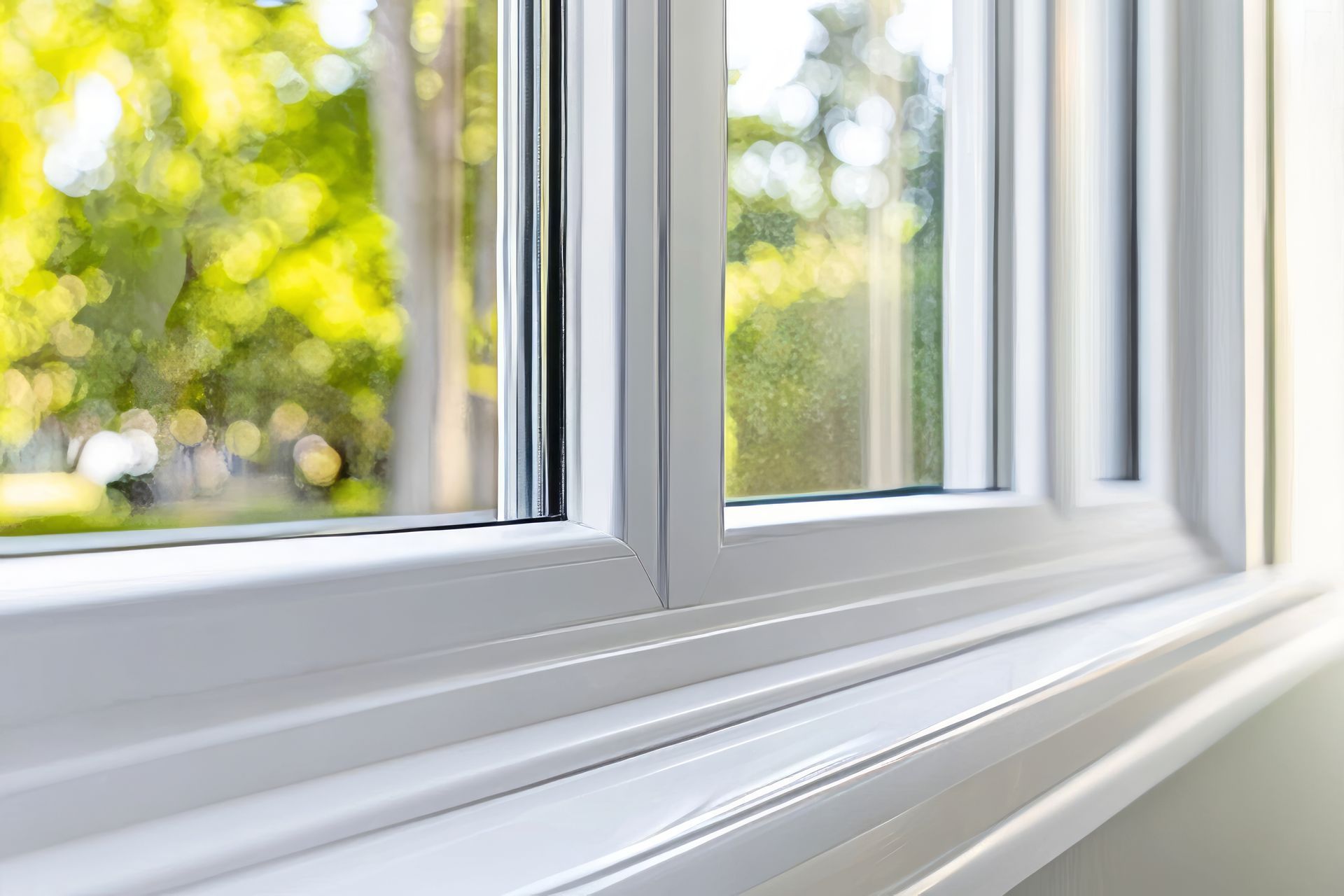
Condensation between the panes of a double glazed window can make the glass look permanently misted or cloudy. Unlike condensation that forms on the inside surface of a window, moisture between the panes usually indicates that the sealed glass unit has failed.


Unfortunately, wiping the glass, opening a window or using a dehumidifier won't remove moisture that is already trapped inside a sealed unit. Depending on the age and condition of the window, the most effective solution is usually to replace the affected glass unit.


Why Does Condensation Form Between Double Glazing?

Double glazing consists of two panes of glass separated by a sealed cavity. This space helps reduce heat transfer through the window and improves its insulating performance.

If the seal around the glass unit deteriorates, moisture can enter this cavity. When temperatures change, that moisture can condense against the glass and create the familiar misted appearance.

Common reasons include:

  • Failed window seals – Seals can deteriorate as windows age.
  • Older glazing units – The likelihood of seal failure generally increases over time.
  • Damage to the glass unit – Movement, impact or deterioration around the edge of the unit can compromise the seal.
  • Repeated temperature changes – Expansion and contraction over many years can place stress on glazing components.

Once moisture is visible between the panes, it normally means the sealed unit is no longer performing as originally intended.


Can You Remove Condensation From Between Double Glazing?

There are several approaches sometimes suggested for misted windows, but they don't all solve the underlying problem.

  • Will a Dehumidifier Help?

    A dehumidifier can reduce humidity inside your home, which may help with condensation forming on the room-facing surface of your windows.


    However, it cannot remove moisture trapped inside a sealed double glazed unit.


    If the condensation is between the panes, the problem is with the glazing unit itself rather than simply the humidity level in the room.

  • Can Double Glazing Be Demisted?

    Some companies offer demisting services where small holes or valves are introduced into the glazing unit to allow trapped moisture to escape.


    This may improve the appearance of the window, but it does not necessarily restore the original sealed environment or insulating performance of the glass unit.


    For that reason, it is generally better viewed as a potential remedial treatment rather than the same thing as restoring the original double glazed unit.

  • Can the Window Be Resealed?

    If moisture has already entered between the panes, simply adding sealant around the outside of the window will not normally remove it.


    Once a sealed unit has failed internally, replacing the affected glazing unit is often the more reliable solution.

  • Can You Replace Just the Glass?

    Yes. A misted window doesn't necessarily mean the entire frame needs replacing.


    If the frame is still in good condition, a glazing professional may be able to remove the failed sealed unit and fit a replacement while retaining the existing window frame.


    This can be a practical option where only one or two panes have failed.

When Should You Replace the Whole Window?

Replacing the sealed glass unit can make sense when the surrounding window is otherwise performing well.

However, if your windows are older and you're experiencing several problems at once, replacing the complete window may provide better long-term value.

You might consider new uPVC windows if:

  • Several sealed units have started to fail
  • The frames are damaged or distorted
  • Windows are noticeably draughty
  • Handles, hinges or locking mechanisms regularly cause problems
  • Windows are difficult to open or close
  • You want to improve the appearance or energy efficiency of your home

If you're unsure whether replacing the glass or the complete window makes more sense, you can also read our guide to repairing double glazed windows.


What About Condensation on the Inside of Windows?

It's important to distinguish condensation between the panes from condensation appearing on the internal surface of the glass.

Interior condensation is normally caused by warm, humid air inside the property meeting a colder surface.

In these circumstances, improving ventilation can help. Options include:

  • Using extractor fans in kitchens and bathrooms
  • Opening windows periodically to improve airflow
  • Keeping trickle vents open where fitted
  • Using a dehumidifier in particularly humid rooms
  • Avoiding drying large amounts of washing indoors without ventilation

These measures can help reduce normal household condensation, but they won't repair a failed double glazed unit.


How Can You Prevent Problems With Double Glazing?

You can't prevent every glazing unit from eventually failing, but looking after your windows can help identify problems early.

Keep frames and drainage channels clean, check seals for obvious deterioration and make sure opening sections close correctly against the frame.

If you begin noticing persistent misting between the panes, it is worth investigating rather than assuming it's normal condensation.


Does Condensation Between Double Glazing Mean You Need New Windows?

Not always. If only the sealed glass unit has failed and the frame remains in good condition, replacing the glass may be enough. If the windows are older, inefficient or developing several faults at once, replacing them entirely may be a better option.


S Dennis supplies and installs modern uPVC windows for homeowners across Walsall and the surrounding areas. If you're considering replacing older or misted windows, contact S Dennis to discuss the options available for your home.


Recent Posts

September 24, 2026
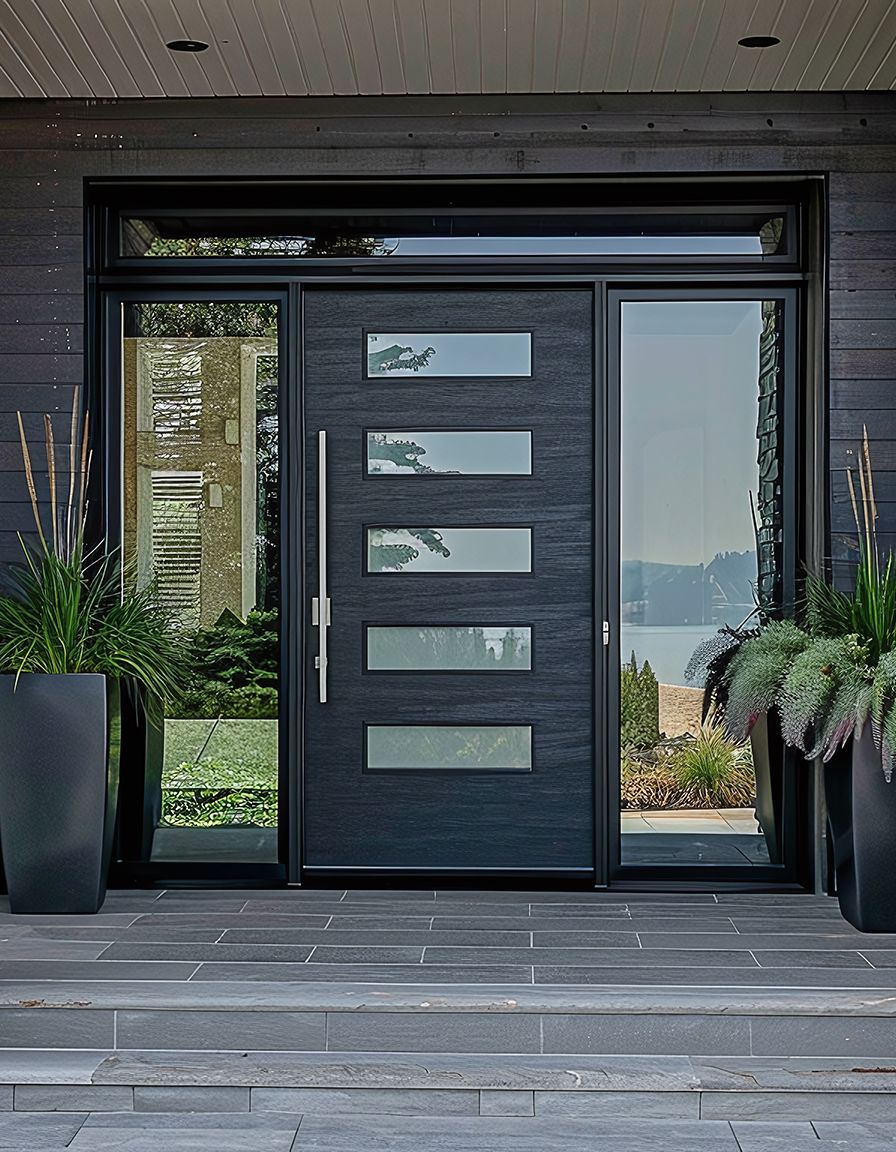
Why Your Front Door Matters Your front door is more than just an entryway – it’s the first impression guests have of your home, and the first line of defence against the elements and intruders. A good-quality door should combine style, security, and energy efficiency, all while standing the test of time. For homeowners in Walsall and across the West Midlands, the two most popular choices are composite doors and UPVC doors . But which is right for you? What Is a Composite Door? Composite doors are made from a mix of materials, typically including uPVC, timber, foam, and glass-reinforced plastic. This layered design makes them incredibly strong, durable, and resistant to weather damage. Key Features of Composite Doors Extremely tough and secure Excellent insulation properties Wide range of colours and finishes Low maintenance (just a wipe clean) Long lifespan, often lasting 30+ years Composite doors are ideal if you’re looking for a premium, stylish option that offers maximum strength and energy efficiency. What Is a UPVC Door? UPVC doors are made entirely from unplasticised polyvinyl chloride – the same material used for UPVC windows . They’re lightweight, durable, and resistant to rotting, warping, and fading, making them a popular and affordable choice for many households. Key Features of UPVC Doors Security: Composite doors offer excellent security thanks to their multi-layered construction and advanced locking systems. UPVC doors also provide good security, although they are generally lighter. Energy efficiency: Composite doors typically offer outstanding insulation due to their thick insulated core. UPVC doors also provide good thermal performance and can help reduce heat loss. Style and finishes: Composite doors are available in a wide range of colours and finishes, including realistic wood-effect designs. UPVC doors also come in various colours and modern finishes to suit different styles of property. Maintenance: Both composite and UPVC doors are very low maintenance and usually only require occasional cleaning. Cost: Composite doors tend to have a higher upfront cost, while UPVC doors are generally the more affordable option. Composite vs UPVC: The Key Differences Which Door Is Right for You? Choose Composite if you want the best in style, strength, and insulation, and you’re happy to invest in a premium option. Choose UPVC if you’re looking for a cost-effective, reliable, and stylish upgrade that delivers excellent value for money. Why Homeowners in Walsall Trust S Dennis At S Dennis Windows & Doors Installers of UPVC LTD , we’ve been helping local homeowners find their perfect doors for over 20 years. Whether you’re after the durability of UPVC or the luxury of composite, we’ll guide you through the options, provide expert installation, and back everything with Certass registration and QA National Warranties. Our customer reviews speak for themselves – we’re known across Walsall for excellent craftsmanship, friendly service, and results that last. Conclusion: Find Your Perfect Front Door Your front door sets the tone for your entire home, so it’s worth making the right choice. Whether you decide on the modern reliability of UPVC or the premium performance of a composite door, you’ll enjoy greater security, energy savings, and kerb appeal. Ready to upgrade your entrance? Call S Dennis Windows & Doors Installers today on 01922 445848 or request a free, no-obligation quote .
September 24, 2026
Find out which double glazing problems can be repaired, when sealed units can be replaced, and when it may be time to consider new windows.